Additional settings for Safari Browser.


Seeing Media Through a Critical Lens: Ms. Shireen Behzadi’s English Students Explore How Visual Choices Shape Emotion
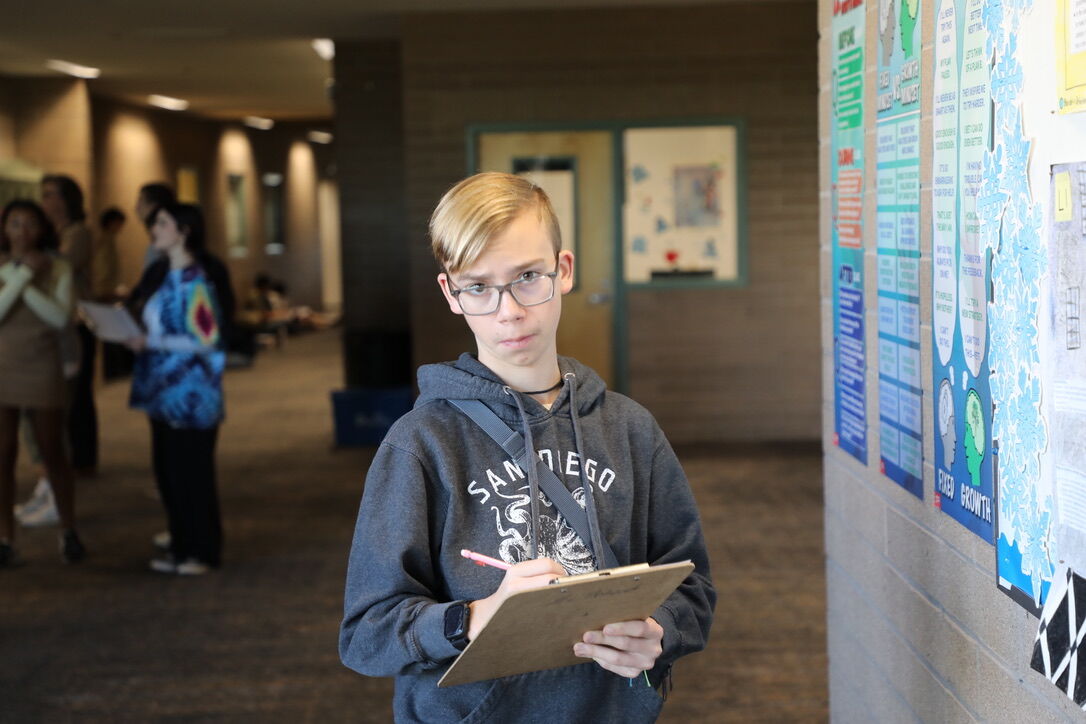
 Why does a music video feel eerie, powerful, or unsettling, sometimes before a single lyric is sung? Why do TikToks and films provoke emotional responses almost instantly?Students in Ms. Shireen Behzadi’s 10th grade Honors English class explored these questions through a hands-on media analysis project that transformed the House 2 hallway into a working gallery of visual literacy.
  Breaking Down the Building Blocks of Visual Storytelling
Working in small groups, students were assigned a specific production technique—such as camera angle, camera movement, editing, or lighting—and one of three iconic Michael Jackson music videos: *Thriller*, *Smooth Criminal*, or *Ghosts*. Their task? Analyze how that single technique was used intentionally to influence mood, perspective, and emotional response.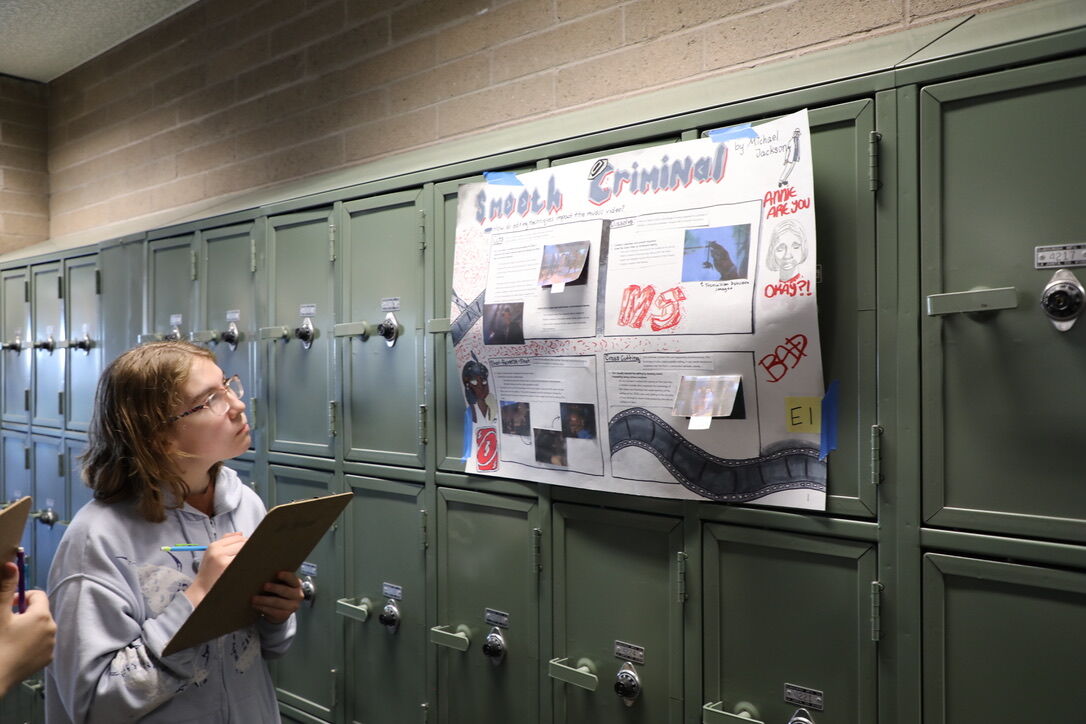 The resulting posters, displayed along hallway lockers and bulletin boards, were both analytical and creative. Some featured hand-drawn sketches recreating key moments from the videos; others included still images paired with definitions, timestamps, and written explanations. Students examined high-angle and low-angle shots, eye-level framing, zooms, pans, tilts, cuts, dissolves, and cross-cutting—each demonstrating how filmmakers guide viewers’ attention and shape meaning through deliberate visual choices.
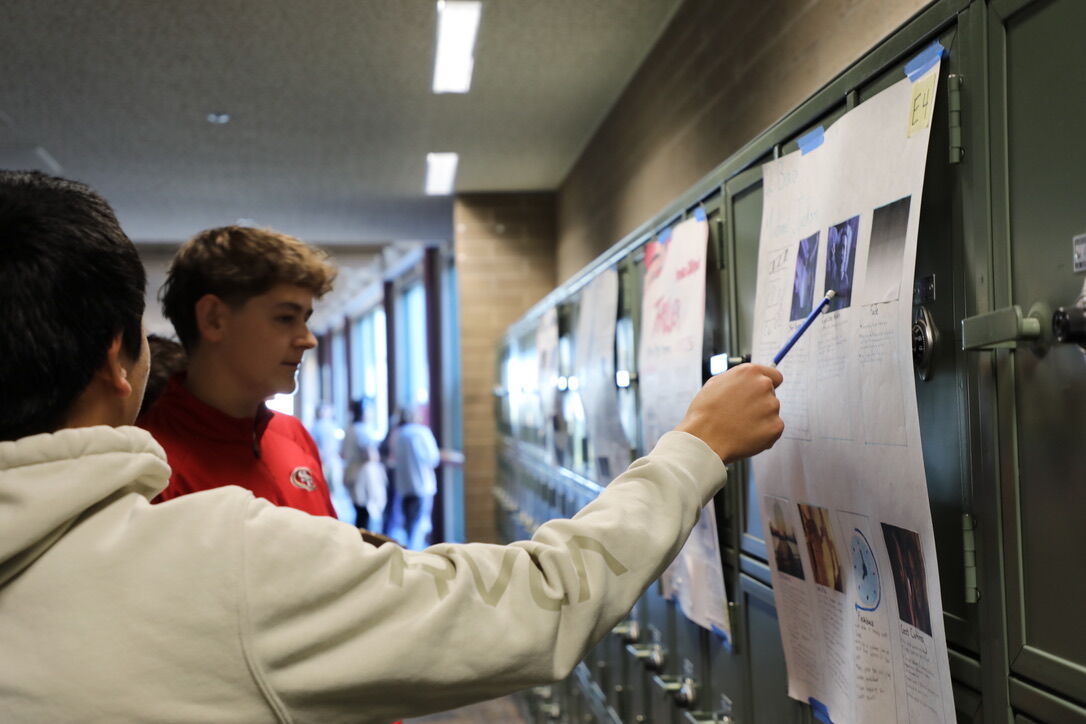 From Analysis to Critique
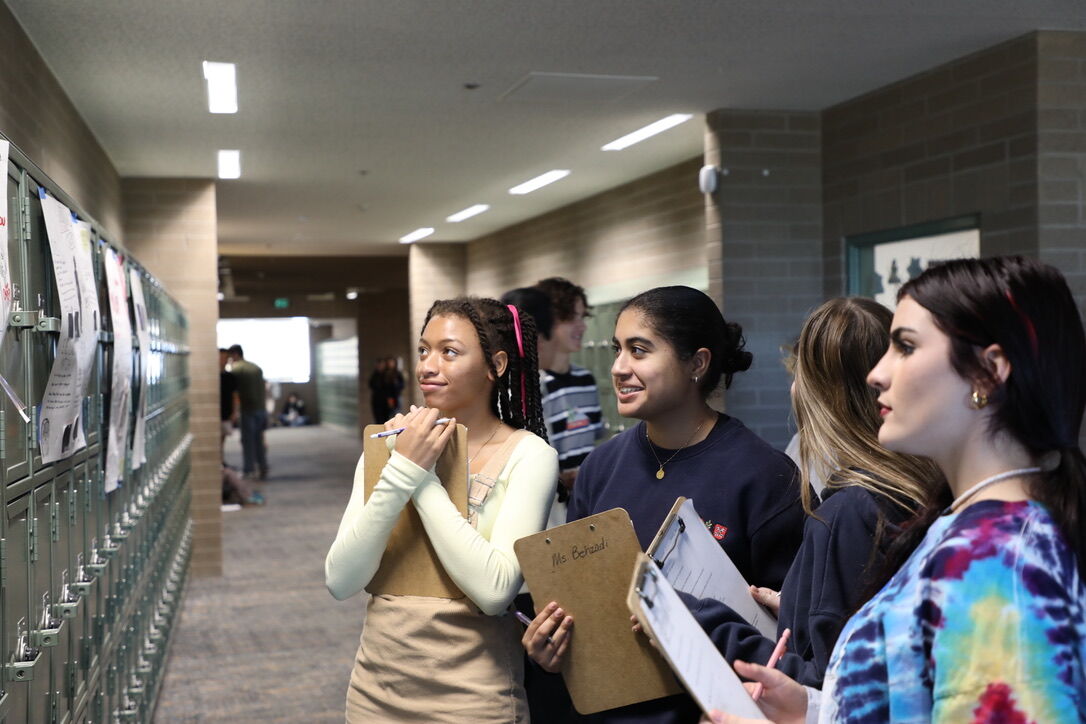
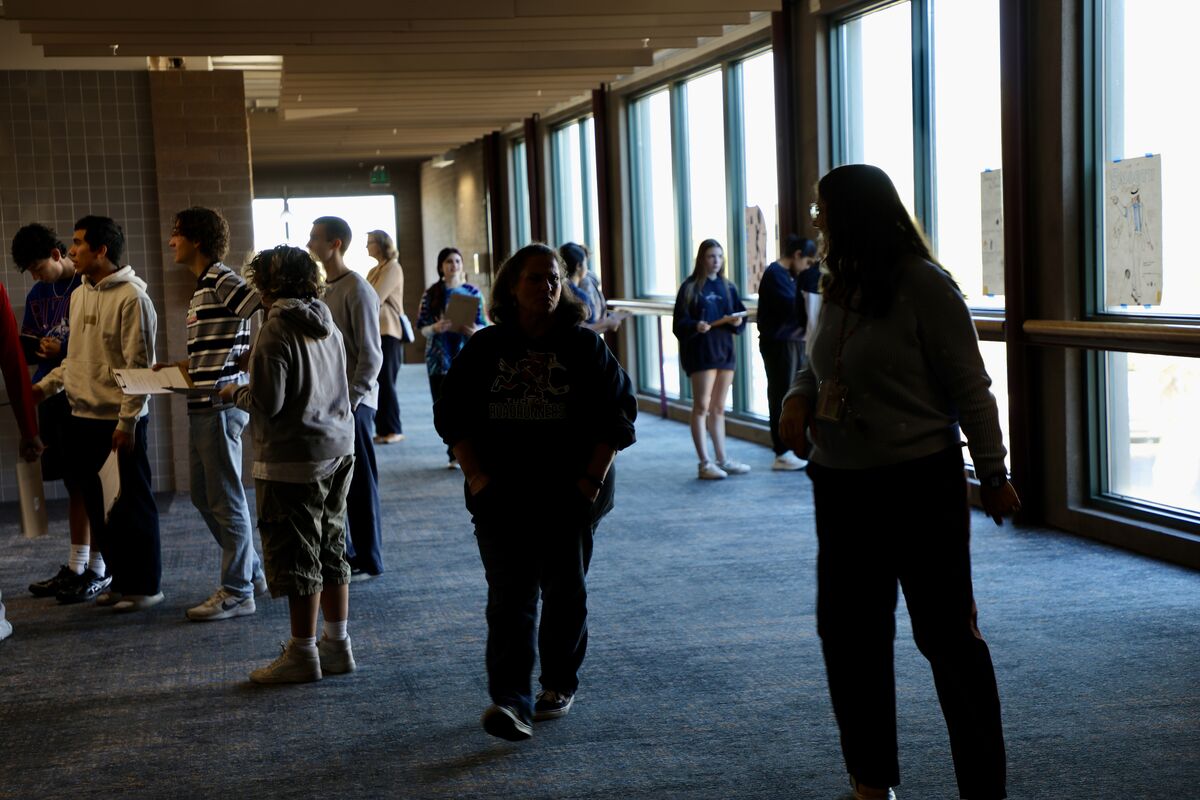
Once the posters were installed, students participated in a structured gallery walk. Holding clipboards, they moved thoughtfully from display to display, reading, observing, and evaluating each group’s work. The hallway buzzed with focused discussion as students compared techniques across videos and categories.
Ms. Behzadi explicitly taught students how to evaluate critically and fairly before the gallery walk began. Rather than voting for their own work or favoring friends, students assessed posters independently:
"On your form, you’ll note your top three posters—your favorites—and you can vote however you want to. You’re not doing this by your group; you’re picking individually. Every poster has a yellow ID tag with a letter and number. The letters show the category—like CM for camera movement, CA for camera angle, or L for lighting—and the number identifies the poster. That’s what you’ll record."
This process reinforced objectivity, close reading, and evidence-based evaluation—skills essential not only in English class, but in navigating today’s media-saturated world.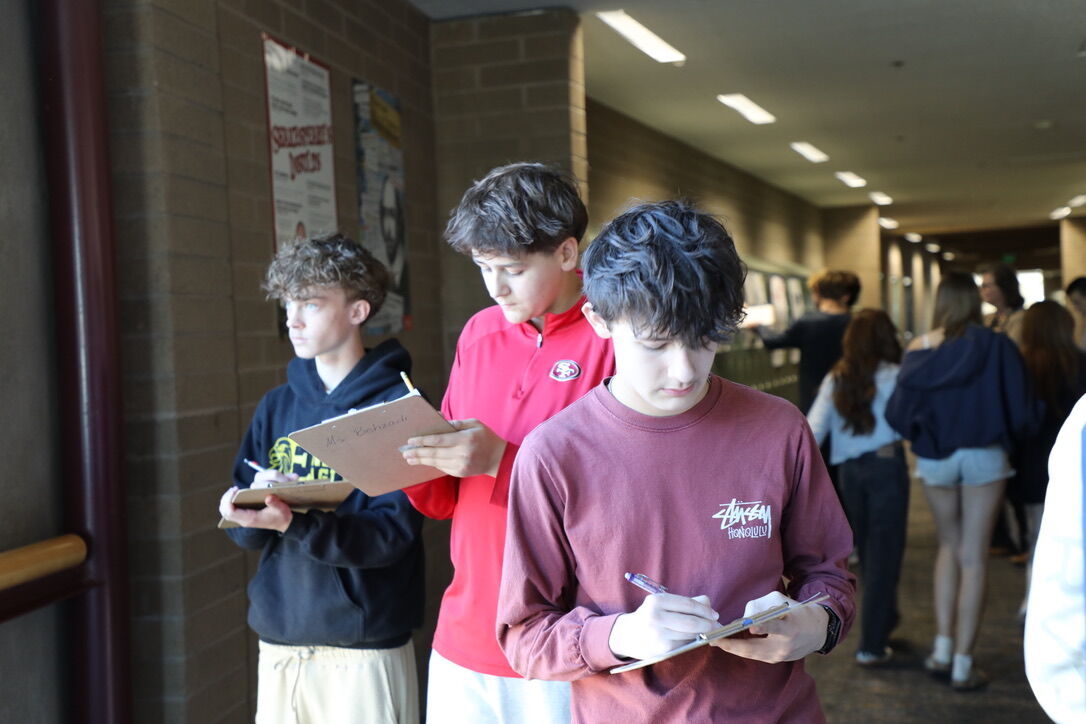 Why This Matters
By the end of the project, students weren’t just identifying techniques; they were articulating why those techniques matter. They learned to slow down their viewing, recognize intentional design choices, and understand how visual storytelling influences what audiences think and feel.
Ms. Behzadi’s lesson demonstrates how English classrooms today extend far beyond traditional texts. By connecting literary analysis to contemporary media, students engage with daily, her class showed that critical thinking is a transferable skill—and that powerful storytelling isn’t just written. It’s framed, lit, edited, and seen. When we become aware of how these techniques work, we become more thoughtful consumers of media and more intentional creators of our own stories.